Examples of EAAF work in Europe
Bosnia-Herzegovina
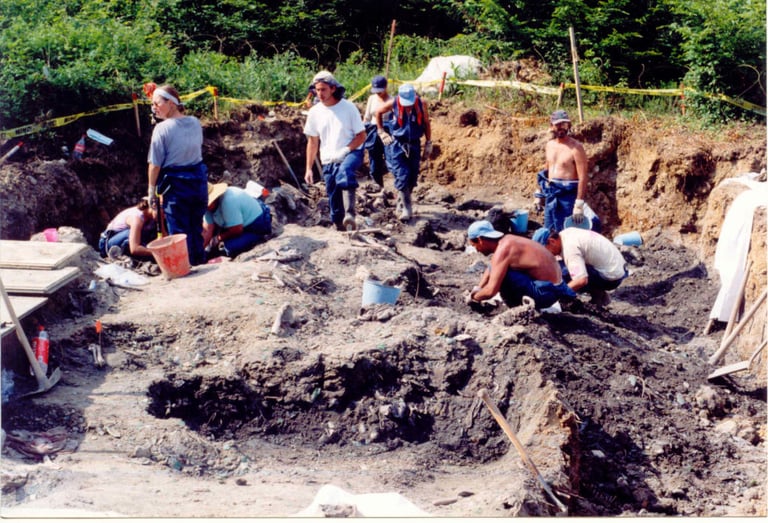
Between 1997 and 1999, the EAAF participated as a forensic expert for the International Criminal Tribunal for the former Yugoslavia.
Croatia
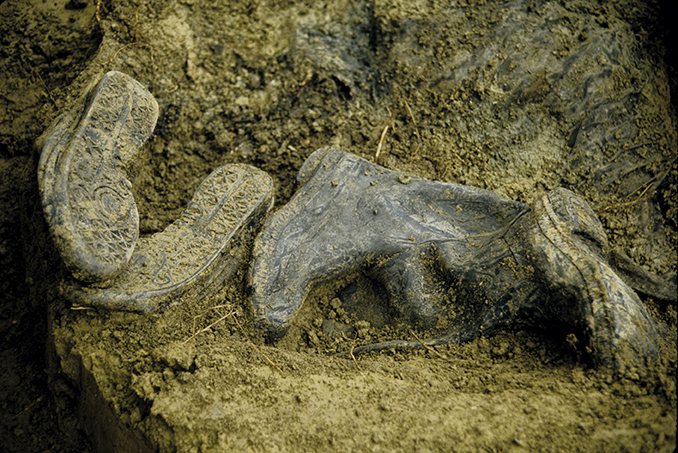
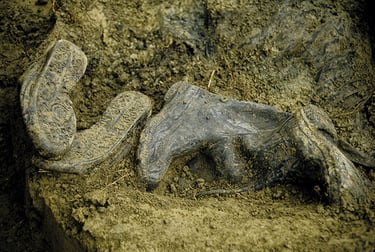
Between 1993 and 1996, the EAAF participated as a forensic expert for the International Criminal Tribunal for the former Yugoslavia.
Cyprus
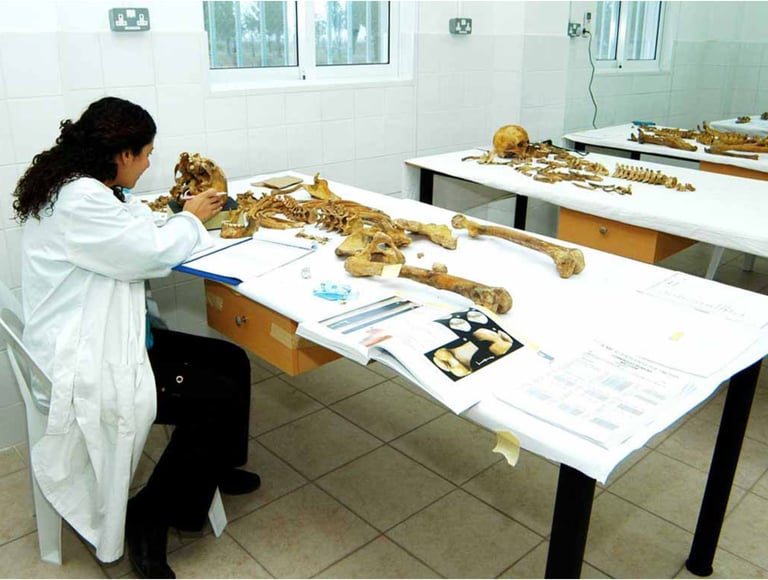
At the request of the Committee on Missing Persons of Cyprus (CMP), the EAAF coordinated a forensic project from August 2006 aimed at finding the remains of Greek and Turkish Cypriots who disappeared during the two major episodes of violence suffered by the island, 1963-1964 and 1974. The EAAF helped train and supervise the activities of the CMP's Bicommunal Forensic Team (BCFT), composed of young scientists from both communities, and from 2009, the EAAF relinquished the coordination of the project and assumed the role of scientific advisor.
Georgia
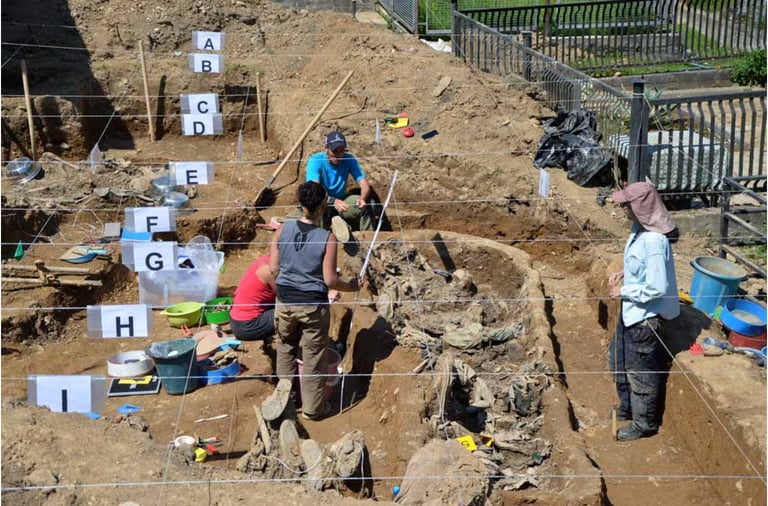
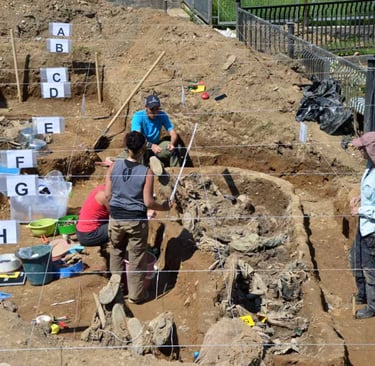
Between April and November 2000, four members of EAAF, Anahi Ginarte, Silvana Turner, Luis Fondebrider, and Dario Olmo, were hired to participate in the investigative work conducted by the International Criminal Tribunal for the former Yugoslavia (ICTY) in Kosovo. Team members have participated in a number of missions to the former Yugoslavia. In 1992 EAAF was invited to work with an international forensic team coordinated by the Boston-based Physicians for Human Rights (PHR). This international team was working for a UN Commission of Experts on the conflict in Yugoslavia. In 1993, the UN created the International Criminal Tribunal for the Former Yugoslavia (ICTY), which replaced the commission of experts. EAAF participated in three subsequent missions organized by PHR for the ICTY. In 1997 the ICTY org ized its own forensic team, and EAAF members participate in its investigations in Bosnia during 1997, 1998 and 1999. On this most recent occasion, the investigation was related to the crimes committed by Serbian forces under the leadership of Slobodan Milosevic against the Kosovar Albanian population during 1999-2000. Members of EAAF, together with 60 scientists from different parts of the world, participated in the exhumation and analysis of the remains of people killed during the episodes mentioned above. During the entire process of the investigation, more than 1,000 bodies were exhumed and analyzed.
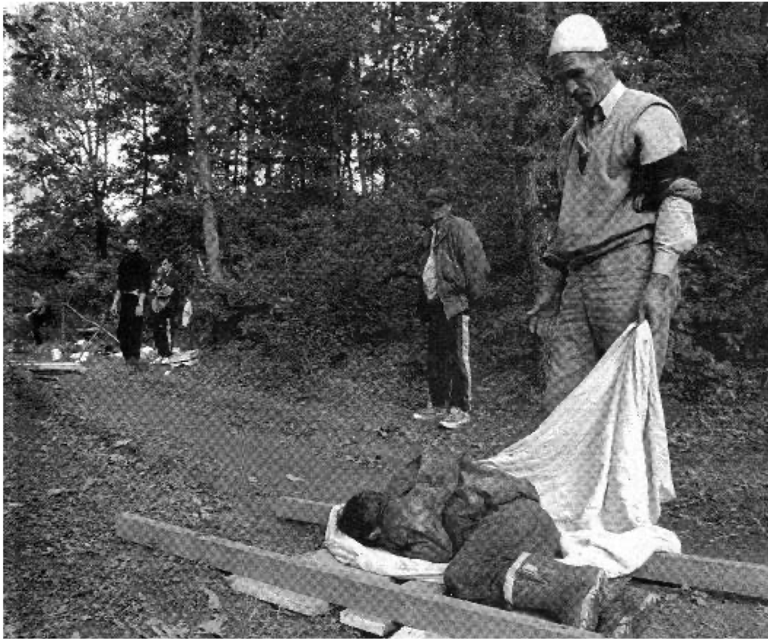
Gornji Obrinje - September 29, 1999. A villager from Gornji Obrinje in Kosovo covered the body of a girl before carrying her to a burial site. Fifteen members of the Deliaj clan, including children and the elderly, were killed in a massacre on September 25 by Serbian forces. There was another massacre that day a few miles away. Photo by Wade Goddard in The New York Times, September 30, 1999.
Rumania
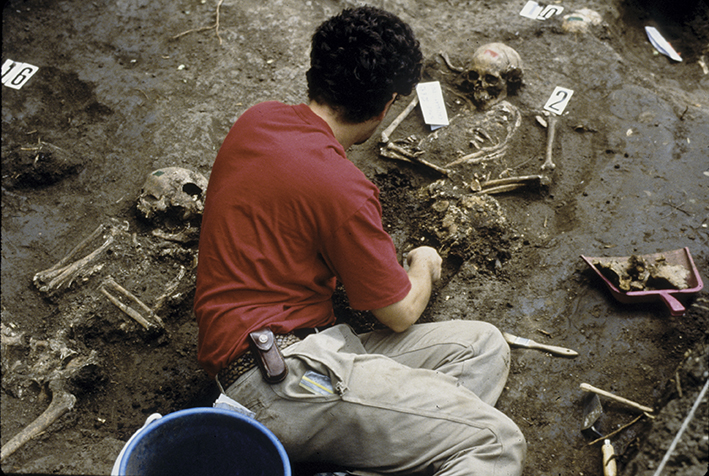
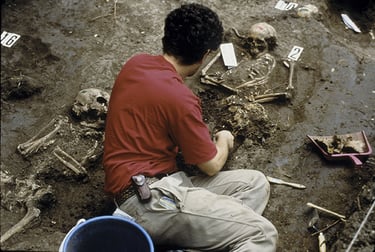
At the request of the Bucharest Public Prosecutor's Office in 1993, the EAAF conducted an investigation into the discovery of skeletal remains related to political violence from the 1950s.
Ukraine
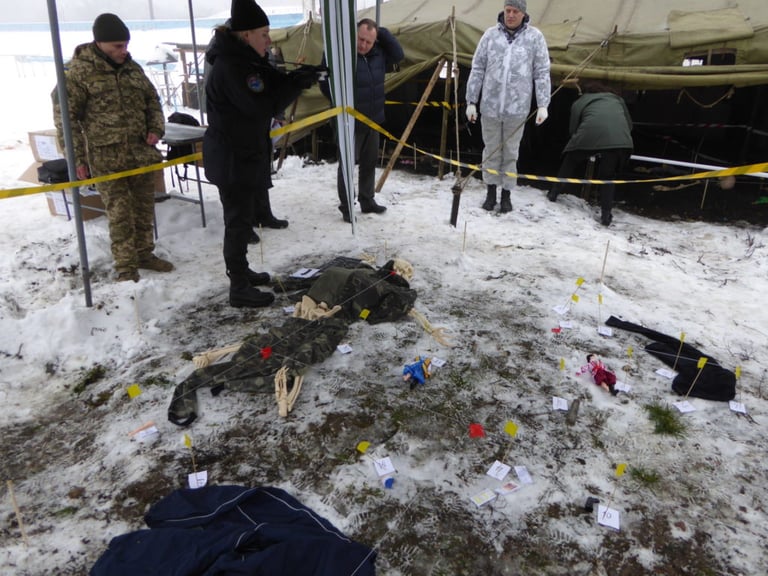
Since the beginning of the war with Russia and separatist forces in 2014, the International Committee of the Red Cross has been advising and training both sides on the proper recovery and identification of bodies. The Argentine Forensic Anthropology Team (EAAF) has been collaborating in this process since 2015. Their work primarily involves visits to regions of Ukraine near the dividing line to assist the medical and legal systems and the military in recovering and analyzing the bodies.
Commissioned by the International Committee of the Red Cross (ICRC), the Argentine Forensic Anthropology Team (EAAF) conducts forensic field and laboratory work, recovering the remains of missing persons from armed conflicts and analyzing their remains.
Within the framework of the Coordination Mechanism on Missing Persons in Connection with Armed Conflicts of the 1990s and 2008, the humanitarian objective of clarifying the fate of missing persons was established. The ICRC requested that participants in the Mechanism provide support in the process of recovering, analyzing, and identifying human remains.
Since 2014, the EAAF has traveled regularly to Georgia and Abkhazia at the ICRC's request. In this context, the EAAF operates as a forensic advisor, carrying out the recovery and analysis of remains.
Kosovo
Spain
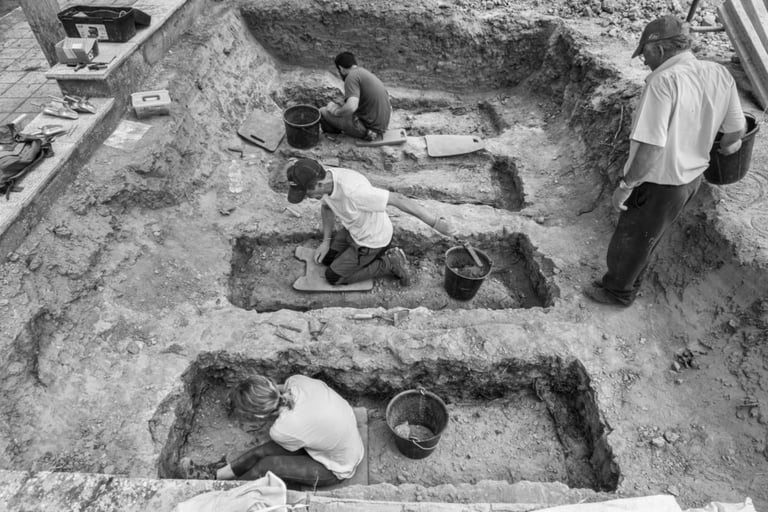
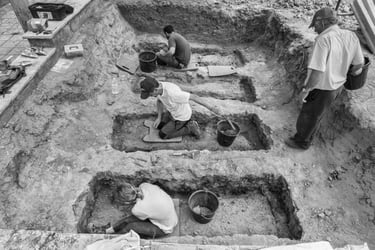
Since 2012, the EAAF Forensic Genetics Laboratory has provided support for DNA analysis and identity verification of those killed during the civil war and the dictatorship of Francisco Franco.